Grounds
Choosing and Raising a Dog in Australia
A practical guide to choosing a dog, the first months at home, rescue adoption and daily life, with Australian conditions in mind.
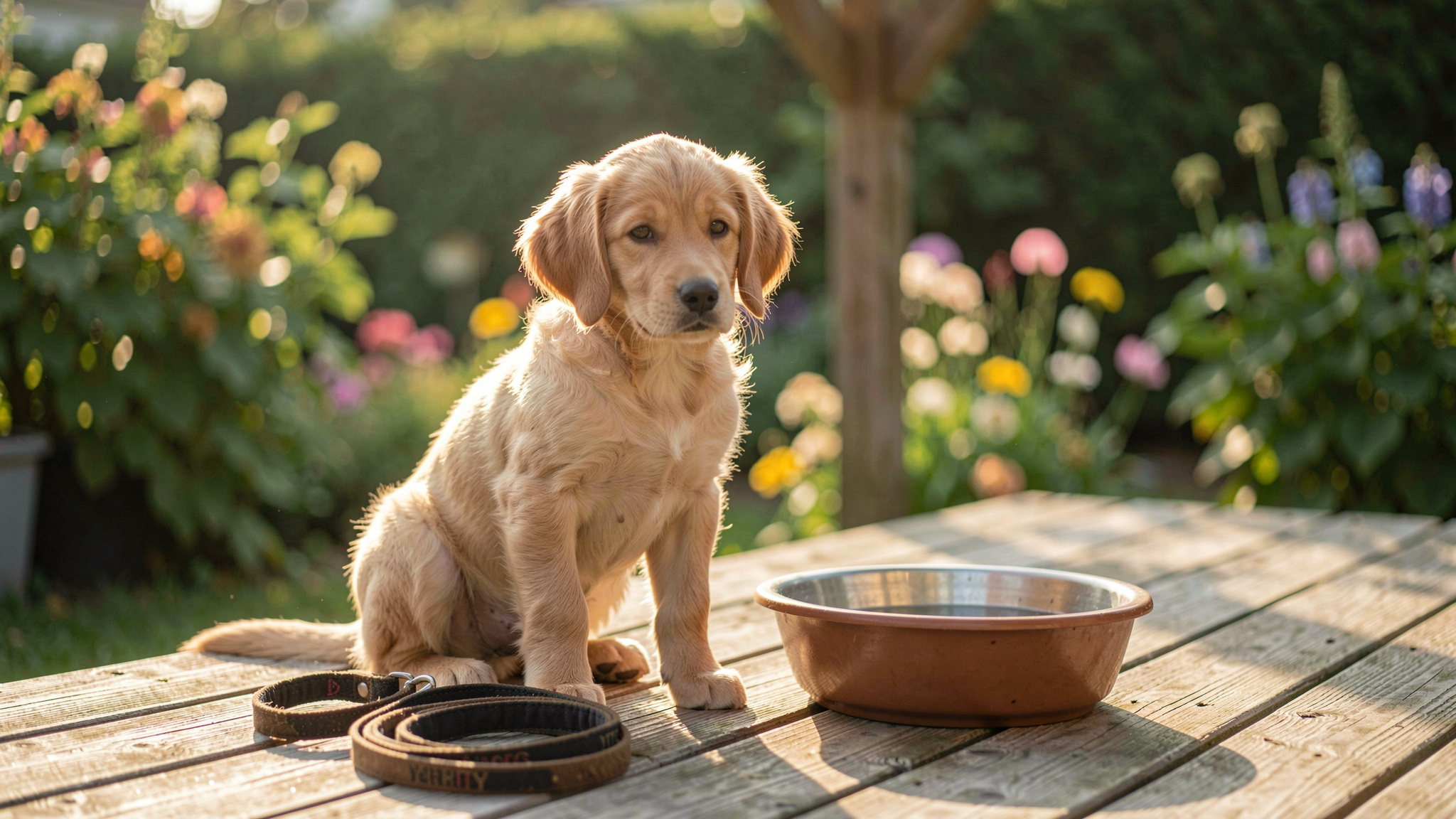
Choosing a dog starts with honest questions about work drive, coat, size, health checks and the home a breed actually suits. Owners who answer those questions first tend to keep the dog for life. The rest is routine, training and local knowledge.
An independent Australian dog magazine covers exactly that ground, from breed profiles and puppies to adoption, health and beach life. Its guides are grouped so a new owner can move from choosing a breed to the first months at home, then to rescue and safety, and finally to the everyday week with a dog.
How to read a breed sheet before choosing
A breed sheet is a summary, not a sales pitch. Read it in a fixed order and the decision becomes easier.
Start with work drive. Retrievers, herders and terriers were built for jobs, and that history shows up in the living room. A high drive dog needs daily work of some kind, whether that is retrieving, scent games, obedience or long structured walks. A low drive dog may suit a quieter household, but it still needs exercise and company.
Next, coat. Coat type decides grooming time and tolerance for heat. A thick double coat handles cold water and cold mornings but struggles in an Australian summer. A short single coat is easier in the heat and sheds differently. Neither is better; they simply demand different routines.
Then size. Size affects car space, rental rules, vet costs and how the dog travels. A large dog in a small unit is workable with the right exercise plan, but the plan has to be real, not aspirational.
Health checks matter most. Ask which screenings the breeder or program uses, and what the results mean. Eye screening, hip and elbow scoring and breed specific tests are common topics in retriever circles and in dogs generally. A breeder who explains results clearly is easier to trust than one who avoids the question.
Finally, the homes each breed actually suits. A working line dog often needs a working outlet. A companion line dog may settle into family life with less intensity. Match the dog to the life you already live, not the life you plan to start next year.
What happens in the first months at home
The first months set habits that last. Toilet routine comes first. Take the puppy out often, at the same points each day, and reward immediately after. Accidents are a timing problem, not a character flaw.
Basic commands come next. Sit, stay, come and a reliable name response cover most daily needs. Keep sessions short, end on success and repeat daily. A puppy learns faster from five short sessions than from one long one.
Park manners belong in this period too. Leash walking, ignoring other dogs on cue and settling quietly while the world moves past are skills, not instincts. Practise them before the dog is large enough to make mistakes costly.
The habits that make a calm adult dog are boring and consistent: a sleep routine, a feeding routine, chews and quiet time, and a clear place to rest. Owners who build those early spend less time fixing problems later.
Should you adopt through a shelter or a breed program?
Both routes work, and both have their own logic. Shelters assess dogs quickly and often know how a dog behaves around people, other dogs and handling. Breed programs and rescue groups know the breed in depth and can match a dog to a home with more precision.
Ask what the organisation knows about the dog's history, health and temperament. Ask what happens if the placement does not work. A good program answers both without pressure.
Reading a rescue dog takes patience. A dog in a kennel behaves differently from the same dog in a home after two weeks. Expect a settling period, keep early days quiet, and let the dog choose contact before you demand it. Progress is often measured in small steps.
What risks should Australian owners know?
Australian conditions add risks that owners elsewhere may not plan for. Snakes are active in warm months, and a dog that ranges through long grass or bushland can meet one. Keep dogs on leash in known snake country, know the nearest vet, and treat any suspected bite as an emergency.
Heat is the second risk. Dogs do not cool efficiently, and hot pavement, parked cars and midday exercise all cause problems. Walk early or late, provide shade and water, and watch for heavy panting, wobbling or confusion.
Roads are the third. A dog that slips a gate or collar near a road is in immediate danger. Check fences, use a collar that fits, and teach a reliable recall before trusting any off leash area.
What fills an ordinary dog week?
A normal week is made of services and places, not just walks. Day care suits some dogs and overwhelms others; a trial day answers the question better than a brochure. Grooming keeps coats manageable and gives an early warning about skin, ears and nails.
Beaches are part of Australian dog life, with rules that vary by council and season. Check local signage before letting a dog off leash, and rinse the coat after salt water and sand.
New owners keep asking the same practical questions: how much exercise, how much food, which vet, what to do in a heatwave, how to travel with a dog. The answers depend on breed, age and health, but the questions are predictable, and good guides answer them before the problem appears.
Why local knowledge matters
Advice written for one country does not always travel. Heat, snakes, beach rules, rental rules and common breeds differ from place to place. An owner in Australia needs guidance that reflects Australian conditions and Australian services.
That is the value of a magazine built around local life. It starts with breed profiles, then moves through the puppy months, adoption and safety, and the week with a dog. Each section opens with an index of its guides, so a reader can pick the breed questions, the puppy months, adoption and safety, or the week with a dog without reading everything first.
A dog is a long commitment, and the decisions that matter most happen early: which breed, which breeder or program, which routine, which risks to prepare for. Get those right and the daily work becomes ordinary and enjoyable. Get them wrong and every week feels like repair work.
Read widely, ask direct questions, and choose for the life you have. The dog will do the rest.