Section 05
Retriever Breeds and Working Health
The retriever breeds eligible for AKC retriever events, what each was built for, and the screenings that working lines are held to.
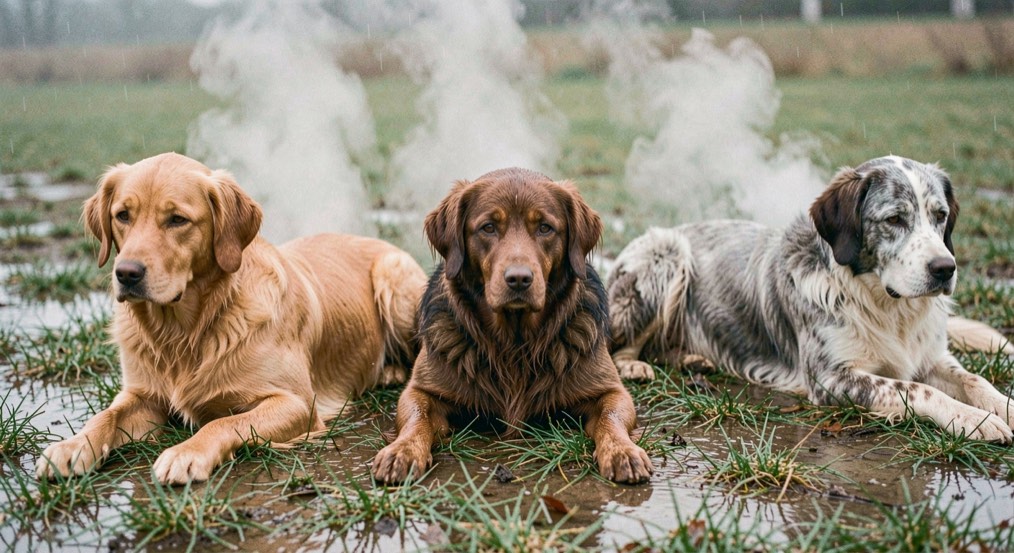
Two questions sit under this section, and they are more closely linked than they look. The first is which breeds are eligible to run AKC retriever events and what each of them was built to do. The second is which health screenings a working line is expected to carry. They connect because breed decides what gets screened: the panel asked of one retriever breed is not the panel asked of another, and a list of clearances only means something once you know which list applies.
The eligible breed list is published in the AKC regulations for retriever events, and this section follows that document rather than a general impression of which dogs are retrievers. The reading, its edition and its date are recorded in sources and method, the same way every other rulebook figure on this site is recorded. No breed is added to the list or removed from it on judgment.
What the breeds were built for, and what that means at the line
The retriever breeds were developed for different water, different birds and different weather, and those differences are still visible in a day of work. Coat is the most obvious of them. A dense double coat with a heavy undercoat behaves differently in November water than a flatter coat does, and it dries differently in a truck afterwards. Size and build change how a dog gets in and out of a boat and how it handles a long swim into wind. None of that makes one breed better; it makes each of them a different set of trade offs on a given day, which is why cold water work treats exposure as a dose rather than a fixed rule.
Temperament differences matter just as much and are harder to write about honestly, because they vary far more within a breed than between breeds. What can be said usefully is that the working lines of every eligible breed have been selected for the same short list of things: a dog that marks and remembers falls, that takes a line and stops to a whistle, that delivers to hand, and that sits still for a long time without unraveling.
Screenings: what a clearance certifies and what it does not
Retriever health clearances takes the screenings one at a time: structural evaluations of hips and elbows, the eye examination, the genetic tests that a simple cheek swab or blood draw can settle, and cardiac evaluation where a breed asks for it. Each is described by what it looks at, at what age it can be done, and whether it holds for life or has to be repeated.
That last distinction is the one readers most often miss, and it is why the eye examination has a page of its own. CAER eye screening is the clearance that expires and has to be redone, unlike a structural evaluation that is issued once on a mature dog. A certificate with an old date on it is not a current result, and reading it as one is the most common mistake made with a litter's paperwork.
Reading a litter, not trusting a claim
Screenings and titles are two different kinds of evidence and they answer two different questions. A clearance says something about health testing; a working title says something about what a dog did at a test or a trial. Finding a reputable breeder puts both into one grid of documents and questions, without naming a single kennel, and the stakes and levels table is where the letters in front of and behind a registered name are decoded.
Nothing on this site is veterinary advice. Screenings are explained so that a reader can tell whether a piece of paper answers the question they are actually asking, and every question about a particular dog belongs with a veterinarian.
One last caution applies to the whole section. A clearance describes one dog on one day, and a title describes one performance on one weekend. Neither is a prediction. A litter out of two fully screened, fully titled parents can still produce a dog that never marks well, and a modest pedigree can produce a very good one. What the paperwork buys is not certainty, it is the removal of the risks that were avoidable, which is exactly the standard a buyer should be holding it to.
The other doors of the publication: Trials & Tests, Training, Gear, Waterfowl, Grounds and The Line. Every one of them points back to the stakes and levels table.
In this section
6 pages, newest first.
-
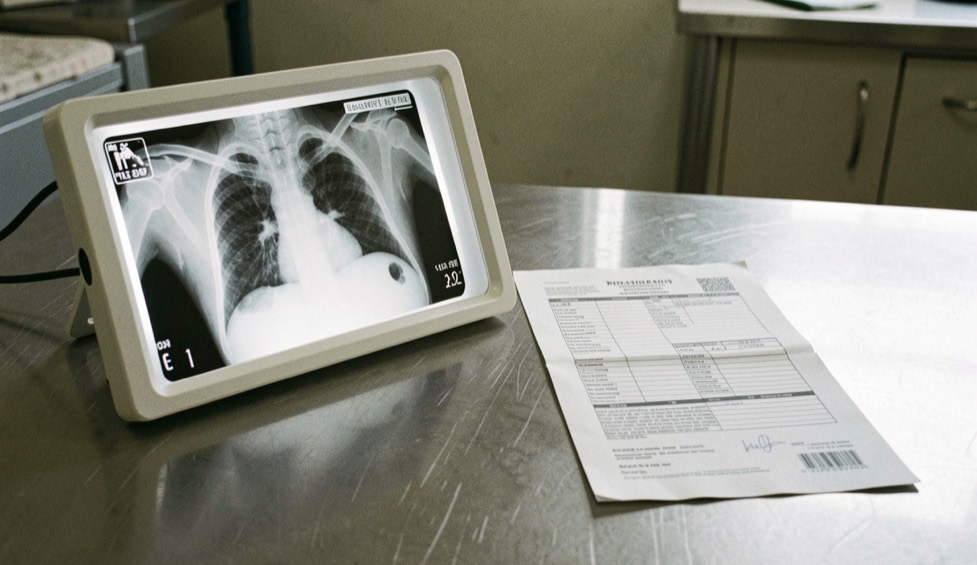
Elbow Screening: Grades, Ages, Registers
How IEWG elbow grades 0 to 3 work, when to screen, how OFA and national registers compare, and what the results mean for breeding choices.
September 15, 2026
-

Spaniels and Retrievers, Different Jobs on the Same Day
On the same hunting day a spaniel quarters ahead and a retriever waits. Understanding the difference explains both dogs, and explains what happened to the American Cocker.
September 8, 2026
-

What a DNA Test Can Tell a Breeder
A DNA test is a fact about a genome, not a prediction about a dog. What it can tell a breeder is real and limited at the same time, and reading it correctly is mostly knowing which is which.
September 2, 2026
-
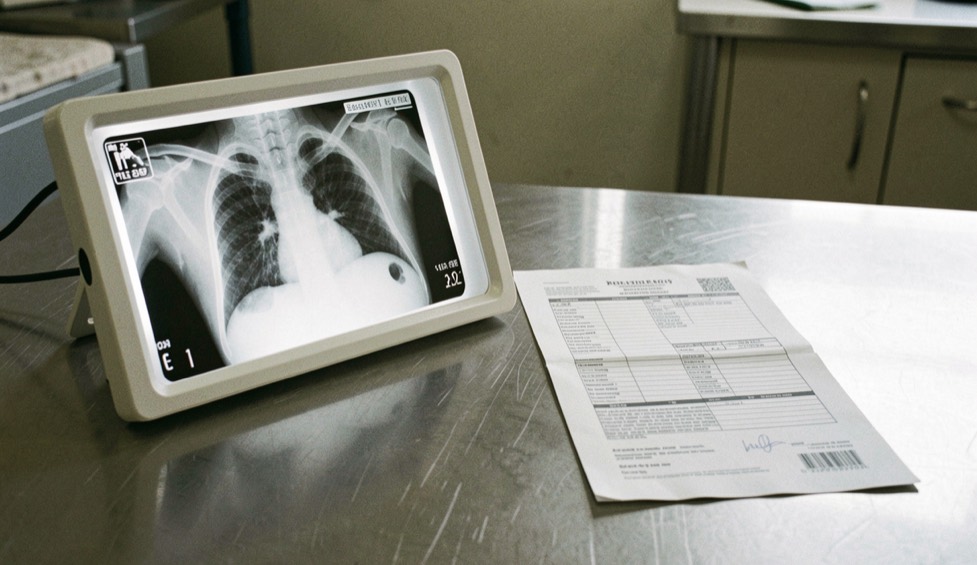
Retriever Health Clearances, Test by Test
A clearance answers one narrow question about one dog on one day. Reading a set of them means knowing which panel applies to the breed, and which certificates expire.
August 25, 2026
-
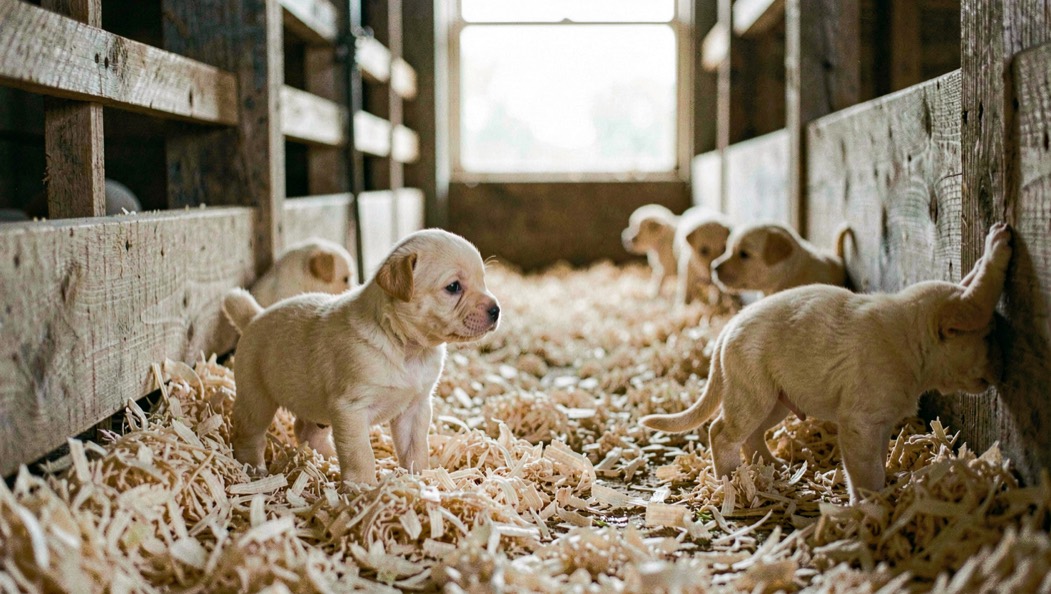
Finding a Reputable Retriever Breeder
Start with the paperwork, not with the puppies. A grid of documents, titles and questions tells you more in ten minutes than an afternoon of meeting the litter.
August 24, 2026
-

CAER Eye Screening for Retrievers
The eye examination is the clearance that expires. A certificate with an old date on it is not a current result, and reading it as one is the most common mistake made with a litter paperwork.
August 22, 2026