Section 06
Grounds and Seasons
Water, cover, access and frost: what makes ground usable for retriever work in New England, and how the calendar follows the water.
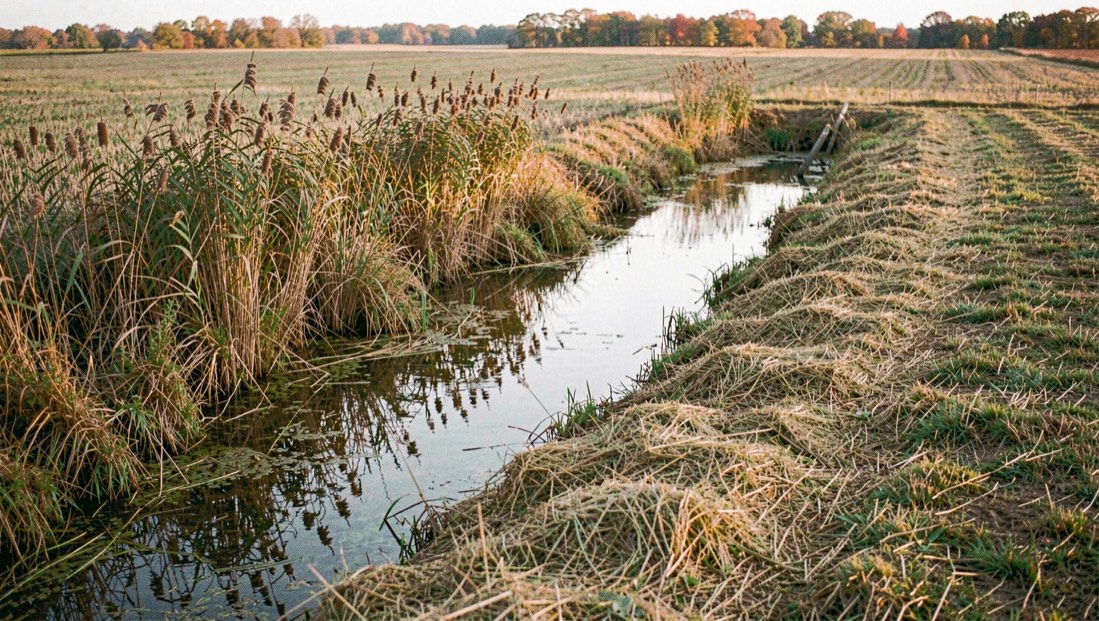
In the Northeast, the limiting factor on retriever training is almost never the dog. It is ground: whether there is water that is open, deep enough and legal to use, whether there is cover that hides a bumper honestly rather than swallowing it, and whether anyone has permission to be there. This section treats those constraints as the subject rather than as background.
What makes good training ground sets out the criteria one at a time, from the water first to the wind and sun that decide which way a test is set up, and it puts access at the end because access is what quietly rules out half of the candidate fields. No real ground is named on this site, and no owner is named: the page describes criteria, not a directory.
A year that starts at ice out
How a retriever trial year is built describes the shape of the working year without a single date, place or entry. The year turns on the water rather than on the calendar: it begins when ice leaves the ponds, runs through a spring when water is open but cold, moves into a summer where heat and heavy cover set the limits, and hands the dog back to the hunting season in the fall. Winter is not empty either; it is where next spring's obedience and handling are actually built.
Frost, and the two seasons in the same month
Two calendars overlap here, and confusing them costs sessions. One is the training year described above. The other is the regulatory year that governs waterfowl hunting, explained in how seasons are set, along with the separate question of what a state allows for dog training outside the hunting season. Those rules are read from the state agency that issues them, never inferred from what people do, and they change more often than the training habits built on top of them.
Ground is a relationship before it is a field
The last criterion on the list is the one that decides most cases: permission. A field with perfect water and honest cover that nobody has asked about is not training ground, it is trespass. Asking properly means knowing who owns it, what the land is used for the rest of the year, and what a dog and a truck actually cost the owner in ruts and disturbance. Ground that is kept for years is almost always ground where somebody handled that conversation well at the start.
The month a session falls in also changes what the water costs the dog, which is the subject of cold water work, and the equipment that turns an anonymous field into a repeatable setup is covered in bumpers and launchers.
The other doors of the publication: Trials & Tests, Training, Gear, Waterfowl, Breeds & Health and The Line. Every one of them points back to the stakes and levels table.
In this section
9 pages, newest first.
-
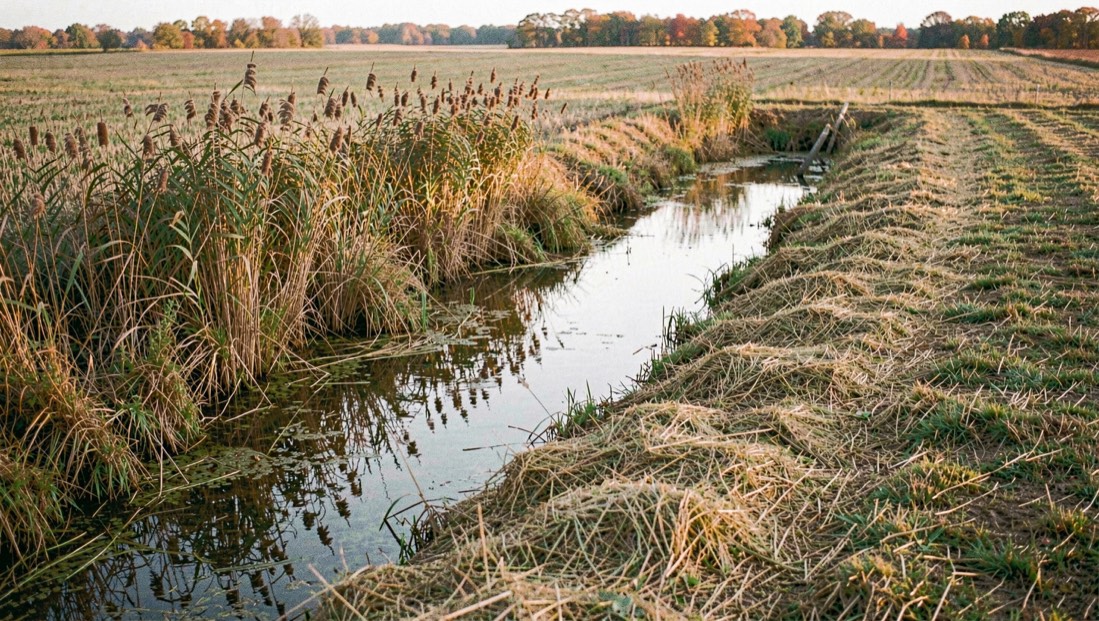
Fish Identification on the Niagara River
Field marks for smallmouth bass, walleye, salmon and trout on the Niagara River, with seasons, depth, light and a shore checklist.
September 15, 2026
-
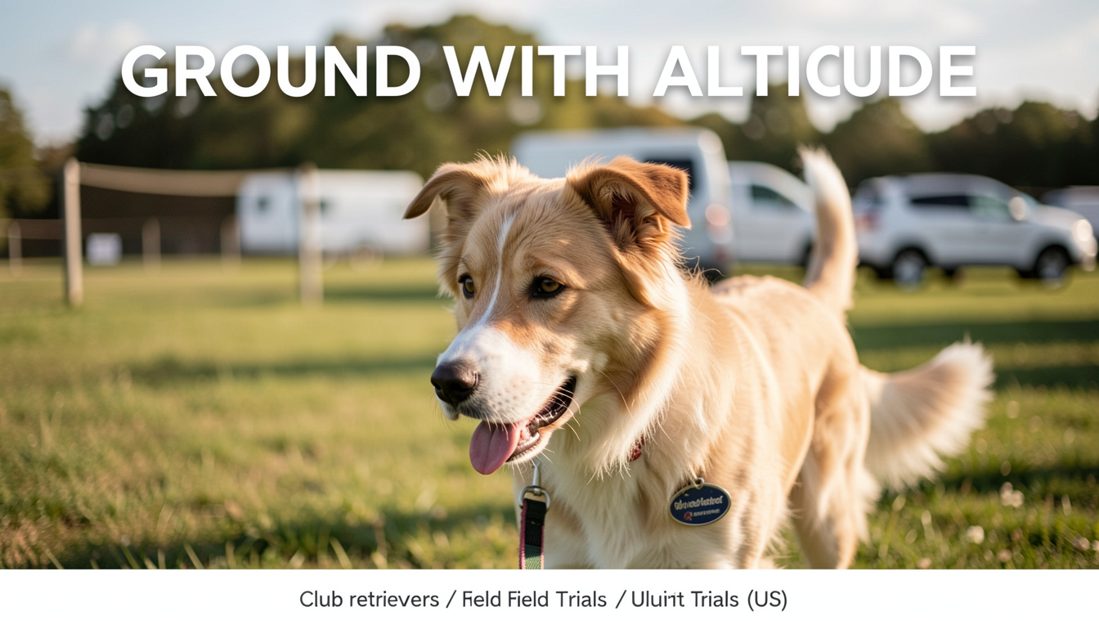
Ground with Altitude
High ground asks different questions of a trainer: whether the road is passable in January, whether the water is where the slope says it is, and whether a field can be set at all on a hill.
September 8, 2026
-
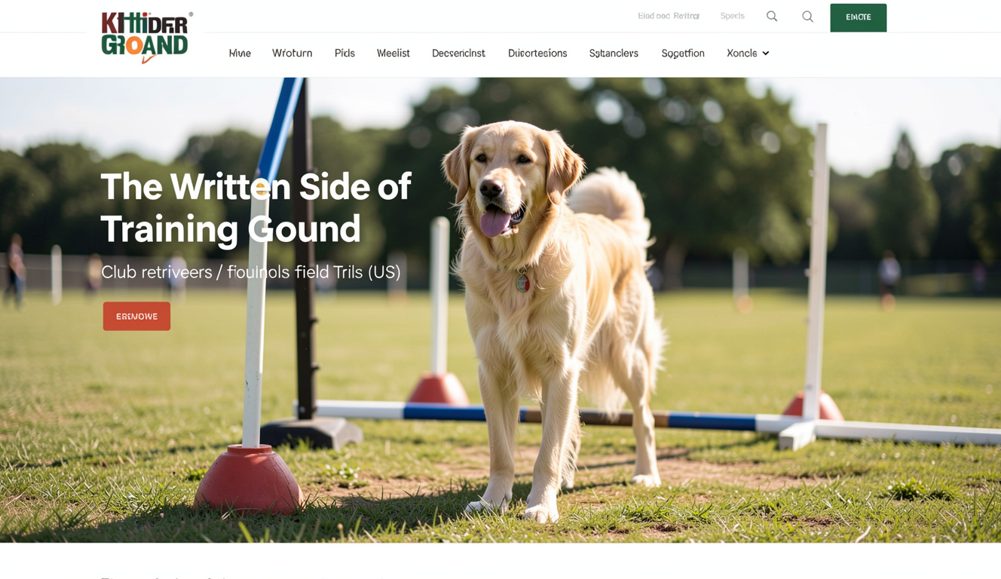
The Written Side of Training Ground
Ground is a relationship before it is a field, and the relationship lives on paper. The lease, the release and the permission letter are the equipment nobody packs.
September 7, 2026
-
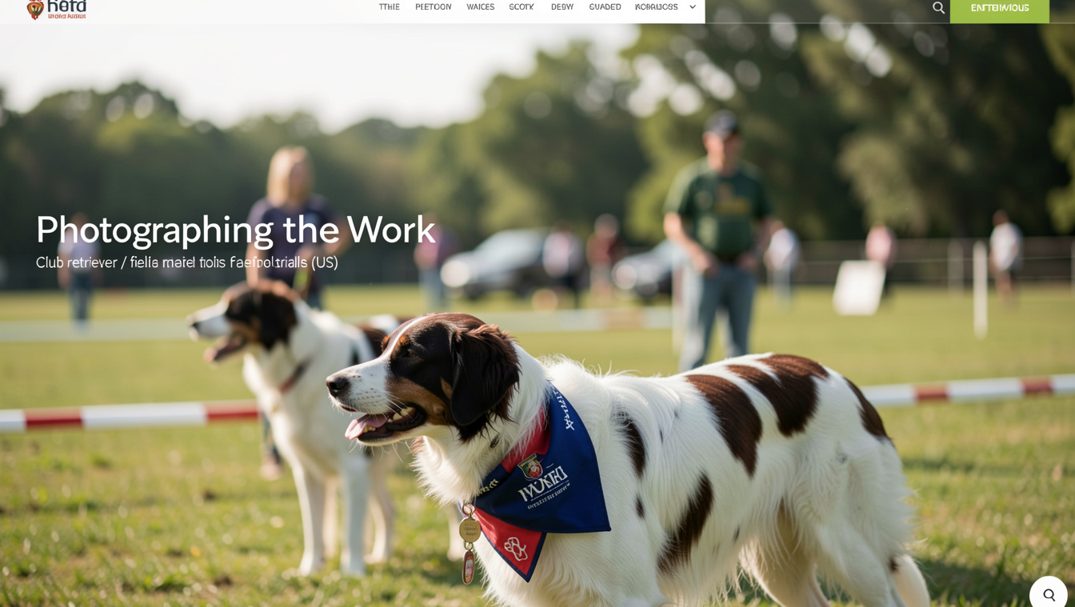
Photographing the Work
A photograph of a dog at work is a record, not a trophy. What it has to show is decided by what the day was for, and the landscape photographers who work the same ground have the same problems solved.
September 6, 2026
-
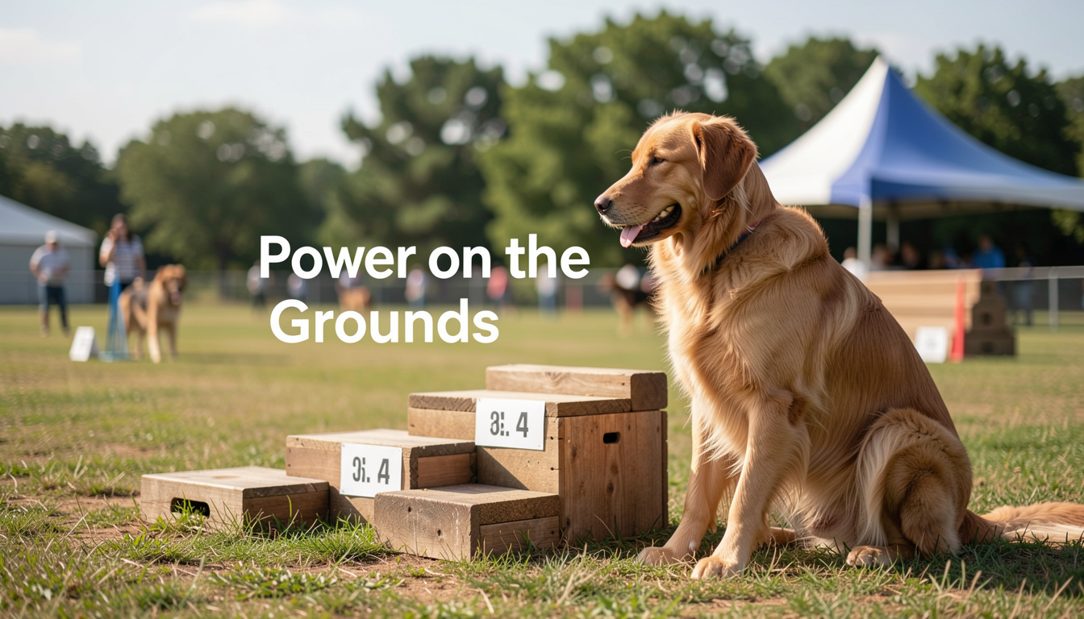
Power on the Grounds
A field trial runs on electricity nobody thinks about: the launcher remotes, the secretary's laptop, the loudspeaker and the coffee urn. When the field has no power, the club brings its own.
September 5, 2026
-
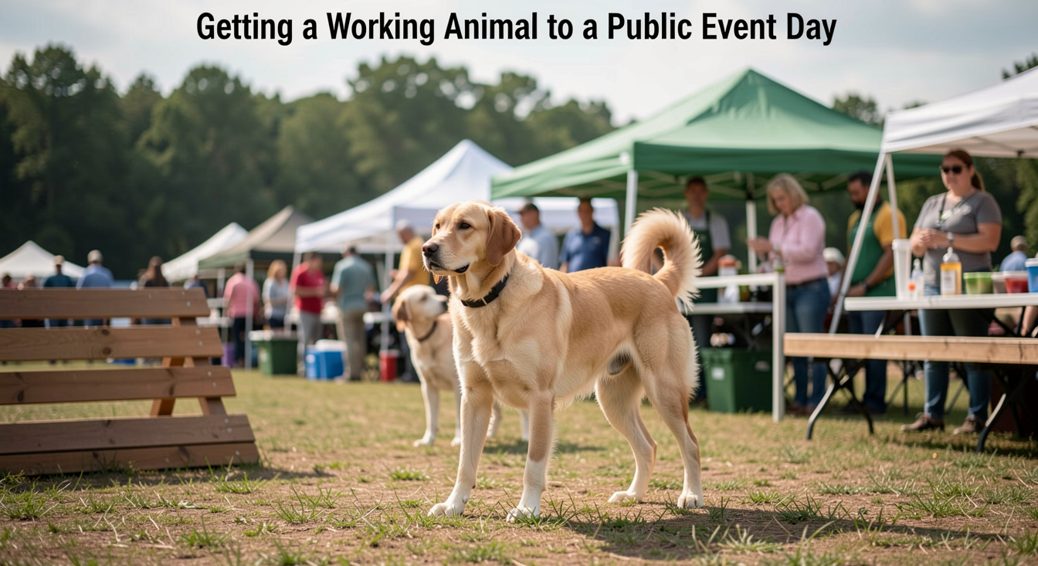
Getting a Working Animal to a Public Event Day
The day a working animal goes to a public event is decided the night before: the weather on the actual ground, the access in writing, the limits of comfort fixed while the decision is still calm.
September 4, 2026
-
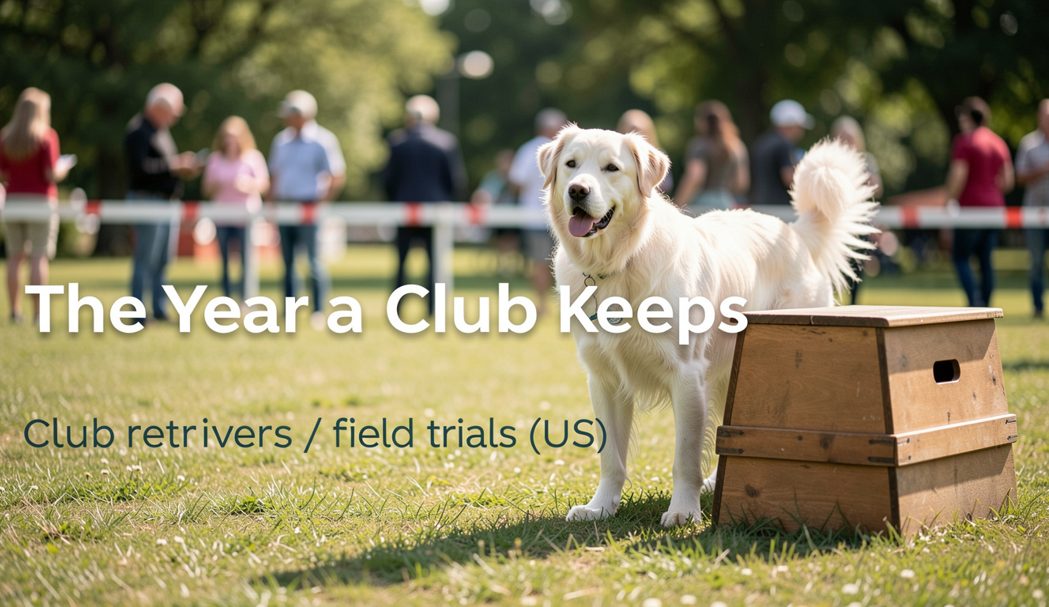
The Year a Club Keeps
A club's year is a calendar with a shape, not a list of dates. The training season, the events, the workdays and the meetings all hang on the same frame, and the frame is worth writing down.
September 3, 2026
-
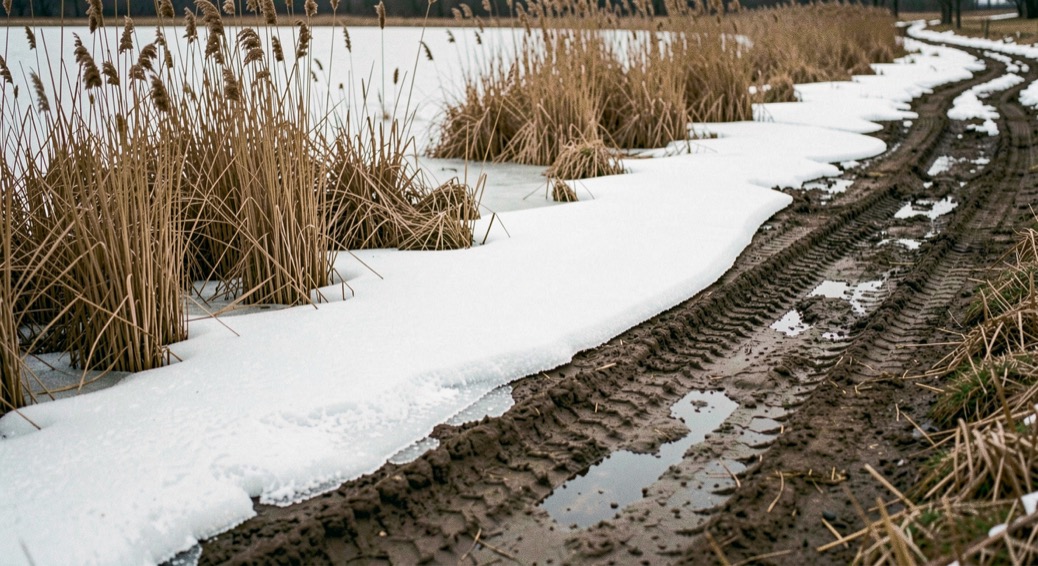
How a Retriever Trial Year Is Built
The working year turns on the water, not on the calendar. It starts when ice leaves the ponds and it hands the dog back to the hunting season every autumn.
August 17, 2026
-
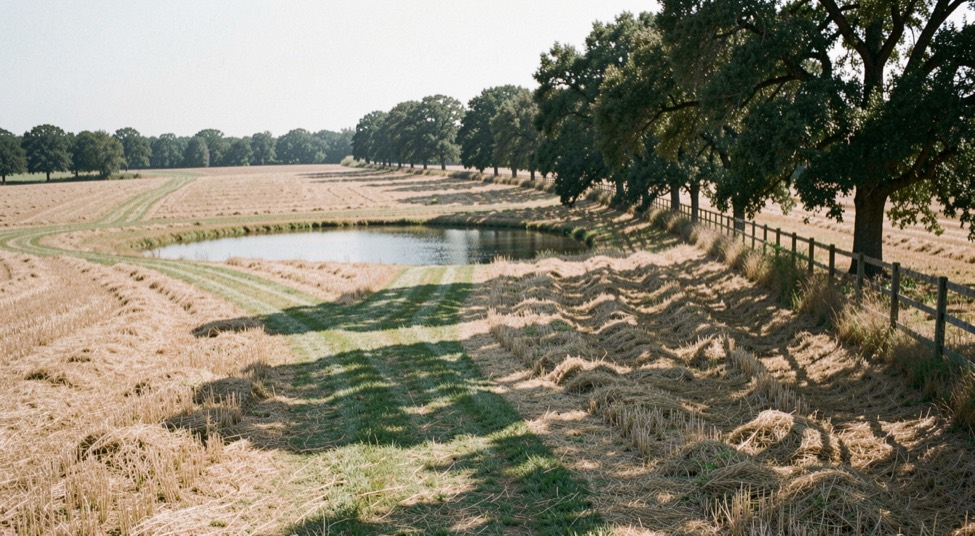
What Makes Good Retriever Training Ground
Water first, everything else after. And access last on the list only because it is the criterion that eliminates half the candidates once you finally ask about it.
August 14, 2026