Grounds
Power on the Grounds
A field trial runs on electricity nobody thinks about: the launcher remotes, the secretary's laptop, the loudspeaker and the coffee urn. When the field has no power, the club brings its own.
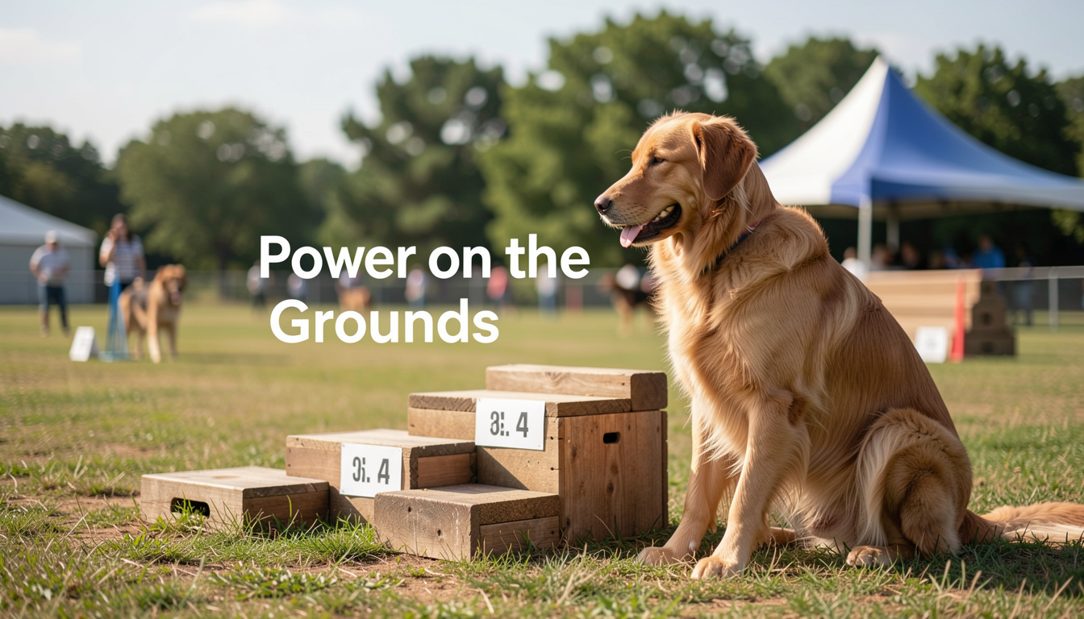
A trial weekend runs on electricity, and the field it runs on usually has none. The launcher remotes charge from something, the secretary's laptop runs on something, the loudspeaker at headquarters and the coffee urn at the gallery both draw from something, and the answer is almost always a generator behind the tent, run all weekend and never planned. Power on the grounds is a system, and it is worth planning like one.
What does a trial day actually draw?
Less than the generator suggests, in most cases. The load is a laptop, a loudspeaker, a charger bank for the remotes and the radios, a coffee urn and the occasional string of lights at headquarters. That is a few hundred watts of continuous draw and a brief surge when the urn cycles, which is a load a small inverter generator or a large battery bank covers without running at full throttle. The generator that is too big for the load is the common mistake, and it is the reason the quiet weekend is the one where somebody did the arithmetic first.
Where does the power come from, and what is changing?
From gasoline, mostly, with the battery and the inverter making it quieter and the hydrogen option arriving at the edges. The honest position is that the generator is not going anywhere this season and the battery bank already carries more of the day than it did five years ago, and the question worth asking is not whether hydrogen replaces the can of gas but where a fuel cell starts to make sense for a club that owns neither grid power nor silence. The larger question is what happens to the loads that still need a generator's output. Hydrogen power is one answer being worked on in the open, and the technical desk at WHEC Hydrogen covers it seriously: the electrolyzers that make the fuel, the fuel cells that turn it back into power and the infrastructure questions in between. The federal program behind the technology is at the Department of Energy's hydrogen office.
| Load | Draw | Best covered by |
|---|---|---|
| Remote and radio chargers | Tens of watts | A battery bank |
| Secretary's laptop | Under a hundred watts | A battery or a small inverter |
| Loudspeaker at headquarters | A hundred watts or so | The inverter or the generator |
| Coffee urn and lights | Several hundred watts, cycling | The generator, sized to the load |
What does the day look like when the power is planned?
Quieter, mostly. The planned day runs the small loads off a battery bank so the generator only works when the urn cycles or the light strings come on, the fuel is already there, and the secretary's laptop never sees a dying outlet. The difference is audible: the planned weekend has a generator that runs in bursts, and the improvised one has a generator that runs all day at a third of its capacity, which is the version everyone at the gallery can hear.
What should a club plan rather than improvise?
The load list, the source and the fuel. The load list is the arithmetic that says how big the supply has to be, the source is the generator or the battery that meets it, and the fuel is the can that has to be on the grounds, full, before the weekend starts. The club that plans the power the way it plans the stakes is the one that does not run out of either. The larger logistics of the event day sit in the secretary's laptop, and the year's schedule the power serves is in the year a club keeps.
The same planning habit covers the quieter half of the problem: which loads can simply be deleted. A loudspeaker that is not needed, a second urn that runs empty, the extension run to a corner of the grounds nobody visits; the cheapest power is the load that was crossed off the list before the generator was fueled.
Power on the grounds, planned
- The load list is written first: what draws power, and how much.
- The source is sized to the load, not to the biggest generator available.
- The fuel is on the grounds before the weekend, not fetched during it.
- The battery bank covers the small loads so the generator can cover the big ones.
- The new options, including hydrogen where it exists, are read about before they are dismissed.
Common mistakes
- Bringing the biggest generator instead of the right sized one.
- Running the small loads off the generator when a battery would do it silently.
- Forgetting the fuel, or bringing a can sized for half the weekend.
- Treating the power as an afterthought instead of as a system with a schedule.