Section 04
Waterfowl and the Working Dog
Marsh, timber and open water: what a retriever really does on a hunting day, how it differs from a test, and how seasons are framed.
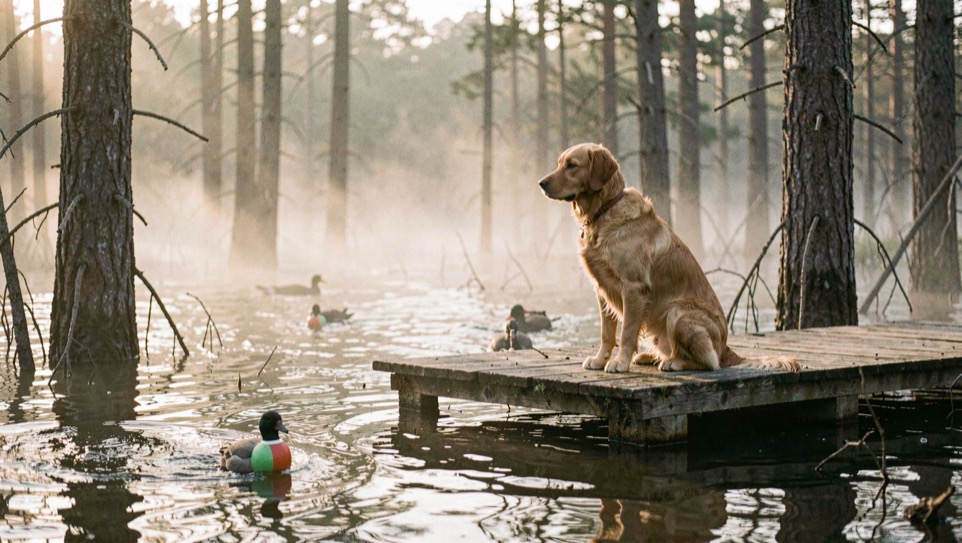
Every level in the American retriever programs is an attempt to reproduce, under rules, something a dog was already doing on a waterfowl hunt. Reading the sport without that origin makes the rulebooks look arbitrary. Reading it with the origin in view makes them obvious: honoring exists because two dogs sit in one blind, steadiness exists because a dog that breaks at the shot ends up in the decoy spread, and multiple marks exist because birds fall in groups.
The dog in the blind describes the day as it is actually spent, which is mostly sitting still. That page also measures the honest gap between test work and hunting work: a test sets three falls in a designed sequence, while a hunt gives a dog long stretches of nothing followed by a cripple swimming away in poor light.
Seasons are a mechanism, not a date
How seasons are set explains the machinery that decides when waterfowl seasons open: federal frameworks first, flyway councils in the middle, then each state making its choices inside the frame it has been given. No dates for the current year appear on that page, deliberately. A page built on this season's dates is wrong within twelve months, and readers are better served by understanding where to read the rules themselves every year.
The cold is part of the subject
Waterfowl work in the Northeast means cold water, and the dog pays for it in calories and, past a point, in risk. The thresholds, the warning signs and the drying routine are handled in cold water work, and anything that becomes a medical question goes to a veterinarian rather than to a web page.
What a test copies, and what it cannot
A test can reproduce a fall, a diversion and a long swim. It can ask a dog to sit still while another dog works, which is exactly the situation of two dogs in one blind. What it cannot reproduce is duration: hours of nothing, then a cripple swimming away in flat light, then nothing again. That is why a dog that looks polished on a training field can come apart on its third hunting day, and why the pages in this section describe the day rather than a drill.
The gap runs the other way too. A hunting day forgives things a test will not, starting with a delivery that ends at the boot instead of in the hand. What the organized programs ask of the same dog is set out in hunt tests, level by level, and the equipment side of the day sits in the gear section.
The other doors of the publication: Trials & Tests, Training, Gear, Breeds & Health, Grounds and The Line. Every one of them points back to the stakes and levels table.
In this section
2 pages, newest first.
-
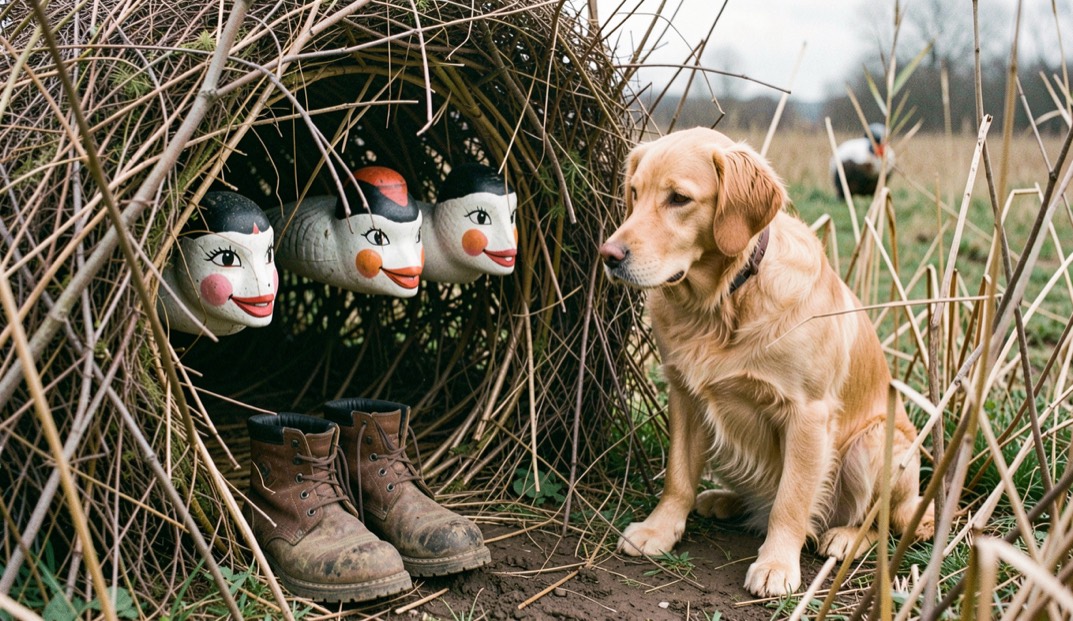
The Dog in the Blind
Most of a hunting day is spent sitting still. Everything the organized programs ask for, from steadiness to honoring, exists because of what happens in the twenty seconds that follow.
August 18, 2026
-
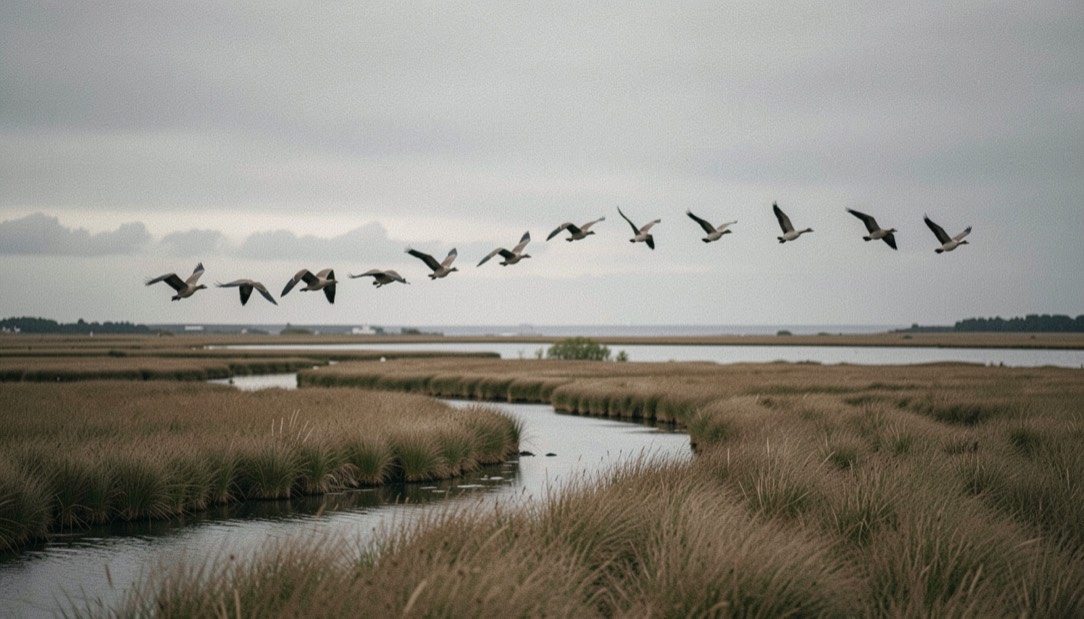
How Waterfowl Seasons Are Set
Migratory birds are a federal matter, flyway councils sit in the middle, and each state chooses inside the frame it is given. Understanding that chain beats memorizing a date that changes every year.
August 12, 2026