Breeds & Health
What a DNA Test Can Tell a Breeder
A DNA test is a fact about a genome, not a prediction about a dog. What it can tell a breeder is real and limited at the same time, and reading it correctly is mostly knowing which is which.
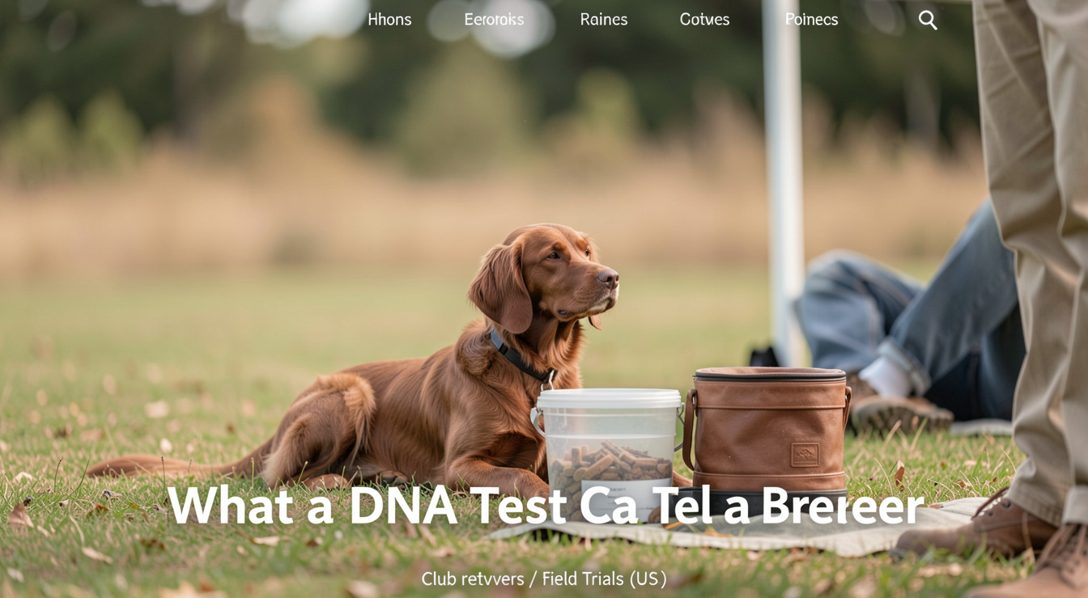
A DNA test can tell a breeder what a dog's genome carries: the alleles at the tested loci, the coat color the dog can produce, the disease variants it is clear of, a carrier of or affected by. What it cannot tell is what the dog will be. The distinction is the whole of the subject, because a test that is read as a prediction is a test being asked to do work it was not built for.
What does a DNA test actually establish?
The genotype at the tested positions. For coat color that means the alleles at the loci that control pigment, which is why a breeder can predict what a mating will produce rather than guess at it. The white coat of the white shepherd is the clean worked example: the guide at White Shepherd Genetics walks through the e/e genotype, the MC1R pathway and the rest of the loci that produce the color, and shows how a prediction is made from the parents' tested genotypes rather than from the pedigree's appearance. The health side of the same paperwork is the screenings at the Orthopedic Foundation for Animals.
What can a test not predict?
The dog. A DNA test says nothing about temperament, marking, drive, soundness in work or any of the things a retriever is actually kept for. A litter out of two fully tested parents can still produce a dog that never marks well, and a carrier result is a fact about the genome, not a sentence about the animal. The test removes the risks that were avoidable; it does not remove the rest, and the difference between the two is the difference between a tool and a prophecy.
The same caution applies to the certificate that accompanies the test. A result that is read without the date it was issued is a result read without its context, which is the same discipline the rest of the paperwork follows in retriever health clearances.
| Result type | What it establishes | What it does not say |
|---|---|---|
| Coat color genotype | Which alleles the dog carries at the tested loci | What the litter will look like without the mate's results |
| Disease variant, clear | The tested variant is absent | That the dog is healthy, or that untested variants are absent |
| Disease variant, carrier | One copy is present | That the dog will be affected, or that it should not be bred |
| Disease variant, affected | Two copies are present | When or whether the disease will appear in this dog |
What about the results nobody ordered?
They arrive anyway, and they are read the same way. A panel that tests for fifty variants returns fifty results, and some of them will be variants the breeder did not know to ask about. The answer is the same as for the ordered ones: a result is a fact about the genome at a tested locus, its meaning depends on the variant and the breed, and a surprising carrier result is a question for the breeding advisor rather than a reason to retire the dog. The test that was not ordered is still a test, and it is still only one fact.
How should a breeder use the result?
As one fact in a decision that has several. The test tells the breeder which matings can produce which outcomes, and the decision is made against the whole picture: the pedigree, the clearances, the work the dogs have done and the homes the litter is for. A breeder who uses the test as the decision is making the same error as a buyer who reads a certificate as a guarantee, and the breeder side of the paperwork is set out in finding a reputable breeder.
One caution closes the subject. The test is a tool, and a tool used well still leaves the breeder holding the dog, which is the part no panel can settle.
Reading a DNA result correctly
- The genotype is the fact; the prediction is the use, and they are different things.
- A carrier result is a mating decision, not a disqualification.
- The test is read with its date and its laboratory, not as a label.
- The dog is more than its genotype, and the test is only ever one fact in the decision.
Common mistakes
- Reading a coat color result as a temperament result.
- Treating a carrier as an affected dog, or a clear result as a clean bill of health.
- Letting the test stand in for the pedigree and the work.
- Reading a certificate without the date and the lab that issued it.