Training
The Other Athlete at the Line
A retriever team has two athletes and only one of them gets trained on purpose. Measuring the handler is not vanity; it is the part of the preparation that is most often missing.
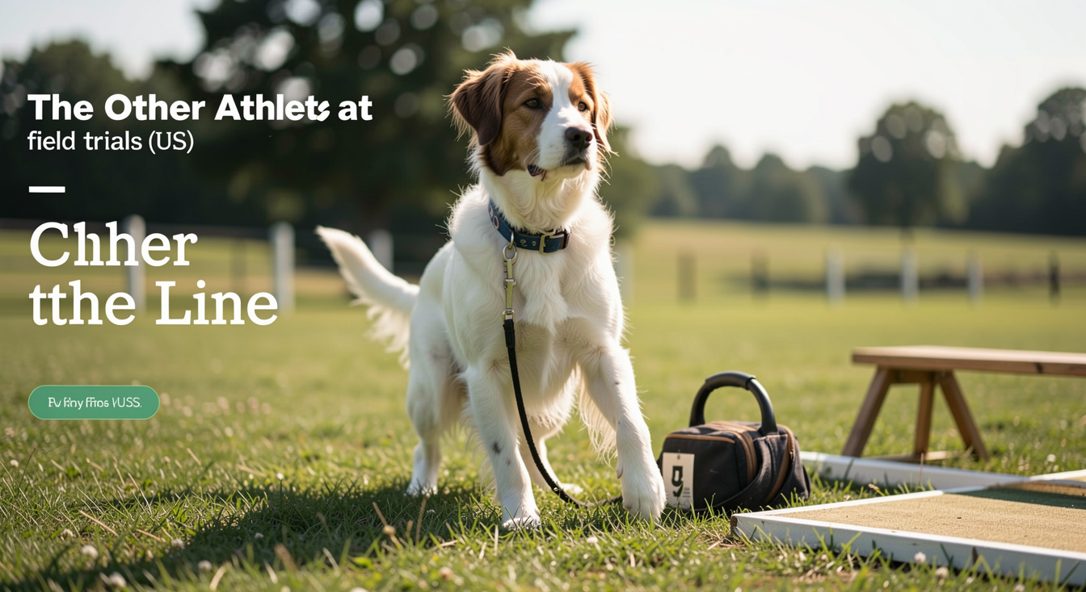
A retriever team is two athletes, and the sport only trains one of them on purpose. The handler walks the miles between stations, kneels and rises a hundred times, stands in cold air, carries a bag of bumpers, and makes every decision the dog obeys. When the day goes wrong, the first thing to check is often the person who is tired, not the dog.
Measuring the handler is easier than it sounds, because the measurements that matter are the same ones any field sport uses. The desk at One Human Performance works through them seriously: the jump and sprint tests, the force velocity profile, the question of what a wearable can and cannot tell you on a given morning. None of it needs a laboratory. What it needs is the same discipline this site asks of a dog: a fixed protocol, a number with its conditions attached, and the honesty not to read more into it than it says.
What is actually being asked of the handler?
Mostly endurance at low intensity, interrupted by short efforts. A trial day is six to ten hours long, most of it standing or slow walking on rough ground, punctuated by a sprint of attention that lasts ninety seconds: the dog at the line, the throw, the run. The physical event is the long day; the performance event is whether the handler is still making clean decisions in the last series.
That shape has a name in training terms: it is a long duration event with high demands at the end. Preparing for it looks less like a sprint program and more like the accumulated weeks of walking, carrying and kneeling that a season already supplies, plus enough general conditioning that the last hour is not a different person from the first.
What can a handler measure without a laboratory?
The same things the field tests on the two group test ask of a dog: repeatable, simple, comparable. Resting heart rate on waking, logged before coffee, tells a handler whether the season is accumulating or being recovered. A consistent walk or step count across trial days tells how much ground a day actually costs. Sleep duration, logged honestly rather than estimated, explains most of the variance in a bad decision at the line.
The trap is measurement that becomes its own sport. A readiness score is an input, not a verdict, and the literature on wearables is clear that the device reports a correlate of fatigue rather than fatigue itself. The databases that track the research, PubMed being the public one, are where the claims get checked rather than repeated.
What does a season of measurement actually change?
Mostly the calendar. A handler who knows what a trial day costs in ground covered and hours standing stops treating the week before it as an ordinary week. The changes are small and unglamorous: the early night kept rather than skipped, the water carried rather than bought at the gas station, the decision about the last series made by the person who slept. None of it is a program. It is the same discipline the dog gets, which is the point: the team is two athletes, and a season that trains only one of them is half a preparation.
| Measure | How it is taken | What it answers |
|---|---|---|
| Waking heart rate | Before getting up, same time, logged | Is the season accumulating or being recovered |
| Sleep duration | Time in bed minus time awake, honestly logged | Why the late series decisions were worse |
| Ground covered | Steps or distance, same measure every event | What a day actually costs the second athlete |
| Decision quality | A note on the last series of the day | Whether the handler fades before the dog does |
Why does this matter at a trial and not just in training?
Because the handler's worst hour is the dog's most important one. Placements and qualifications are decided in the last series, when the handler has been standing for eight hours and the dog is fresh. The conditioning that protects the handler's judgment is unglamorous: the walking, the sleep, the day managed like a working day rather than an outing.
The handler's own checklist
- Sleep logged for the week before the event, not just the night before.
- A heart rate taken on waking, compared against the handler's own baseline and nobody else's.
- Footwear and clothing chosen for eight hours of standing, not for the photograph.
- Water and food carried for the handler on the same list as the dog's.
- A note made at the end of the last series: was the last decision as clean as the first.
Common mistakes
- Training the dog and hoping the handler happens. The handler is the second athlete, not a spectator with a whistle.
- Reading a wearable's morning score as permission or prohibition rather than as one input among several.
- Judging fitness by how the first series felt. The day is decided in the last one.
- Treating fatigue as a character issue rather than a measurable state.