Training
Taking a Retriever North
A dog that is finished at home is not finished for the north. Colder water, bigger retrieves and a different rulebook all have to be prepared before the truck leaves the driveway.
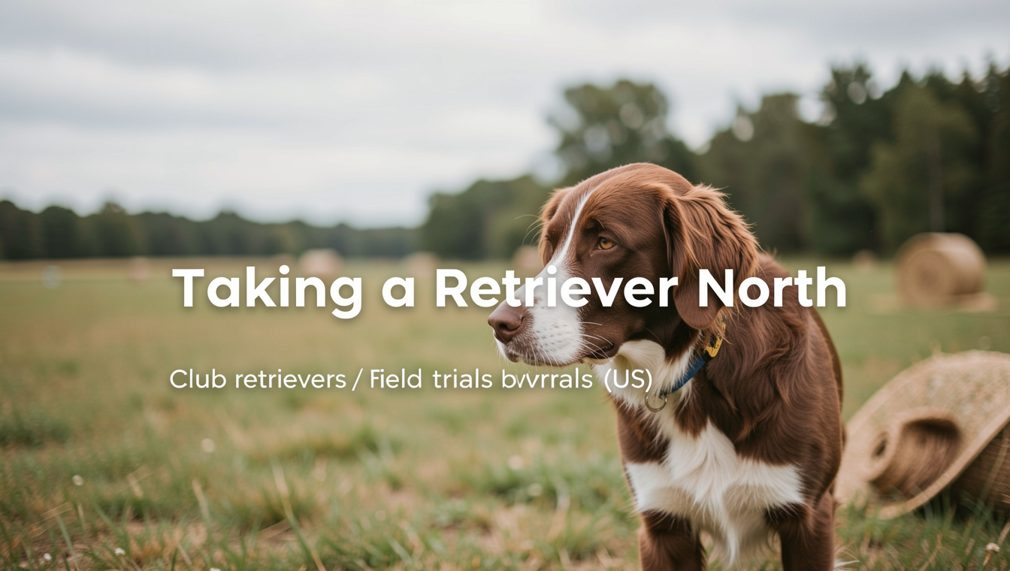
A retriever that is reliable on home water is not automatically reliable on a trip north. The water is colder and bigger, the marks are longer, the day in the blind is longer still, and the paperwork starts at the border rather than at the boat ramp. The honest answer is that a northern trip is a training problem and a logistics problem at the same time, and both of them are easier to solve in September than on the dock.
None of this is a reason not to go. It is a reason to treat the trip as a conditioning block with a paperwork appendix, the way cold water work treats exposure as a dose to be managed rather than a switch to be flipped.
How do you condition a retriever to cold northern water?
By raising the dose gradually and watching the dog, not the calendar. Cold water is a dose problem: the temperature, the length of the swim, the number of retrieves and the drying time between them all count together. A dog that handles a sixty degree pond at home for three retrieves may handle a forty five degree lake for one, and the second retrieve in that lake is not the same event as the first.
Start where the dog is. Longer swims in home water while it is still warm build the swimming fitness without the cold tax. Then shorter swims in colder water, ending each session while the dog still wants another, with the truck warm and the towels ready. The signs that end a session are the same ones described in cold water work: a dog that comes out and cannot settle, that stalls at the entry, or that is slow on a mark it would normally take cleanly.
What documents does a dog need to cross into Canada?
The short list is a current rabies certificate and a dog that looks healthy at the booth, but the short list is worth reading at the source before every trip rather than from memory. Rules on dogs entering Canada are set federally, and they differ by the dog's age and by what the certificate shows. The certificate should match the dog that is travelling, including the description, and the rabies date should be well inside its validity rather than expiring mid-trip.
The trip back matters as much as the trip up. A dog returning to the United States crosses under American rules, which are their own document and their own reading. A folder in the glovebox with the rabies certificate, a vet contact and a recent photograph of the dog is the modest preparation that settles most of what can go wrong at either booth.
How do Ontario seasons differ from the home calendar?
Enough that they have to be read rather than assumed. Zones, opening dates, possession rules and the conditions attached to a nonresident licence are all set provincially, and the waterfowl framework still sits under federal regulation on top of that. The pages of Ontario hunting seasons kept for the Eagle Lake and Vermilion Bay area of northwestern Ontario show what that reading looks like for a visitor: which seasons run in that country, how licences and tags work for nonresidents, and which provincial summary remains the binding text before travel.
The mechanics of how a season is produced are the same machinery described in how seasons are set, just running in another jurisdiction. Read the destination's own summary, print it, and carry it with the licence.
| Item | When to settle it | What settles it |
|---|---|---|
| Cold water conditioning | Four to six weeks out | Graduated dose: longer warm swims, then short cold ones, dried off well. |
| Border documents | Two weeks out, rechecked before leaving | Rabies certificate matching the dog, vet contact, recent photo. |
| Season and licence rules | Before booking, again before travel | The destination's own published summary, printed. |
| Gear for the day | One week out | Vest, towels, a warm crate, and the kit that actually gets used. |
| The dog's limits | Every evening of the trip | How the dog came out of the last retrieve, not how the day felt. |
What changes for the dog once it is there?
Everything that a test day compresses gets stretched over hours. A northern hunt gives a dog long stillness in a cold blind, retrieves in water it cannot touch bottom in, and birds it has never seen. The steadiness asked of a trial dog is described in the hunt test levels, and it is the same steadiness, purchased at a harder exchange rate.
The week before a trip north
- One last cold water session, short, ended early, with the drying routine rehearsed rather than improvised.
- Rabies certificate and licence paperwork in one folder, in the truck, not in a bag that might stay home.
- The destination's regulation summary printed, because a phone with no signal is not a rulebook.
- Enough towels that the last retrieve of the last day still ends in a dry dog.
- A plan for the day the dog is off: a resting dog is a managed resource, not a lost day.
Common mistakes
- Treating a first northern trip as a normal week of hunting. The water and the day are both a bigger dose than home.
- Reading the destination's seasons on a forum instead of in the published summary.
- Letting the dog's enthusiasm set the retrieve count. Cold counts what the handler stops counting.
- Carrying an expired or nearly expired rabies certificate to a border that reads dates.
- Planning every day as a hunting day. A rest day in the middle protects the rest of the week.