Trials & Tests
Where to Start With a Working Retriever
The first entry is a training decision, not a ranking of prestige. Start from the dog in front of you, pick the door it can walk through, and train the eight weeks before it.
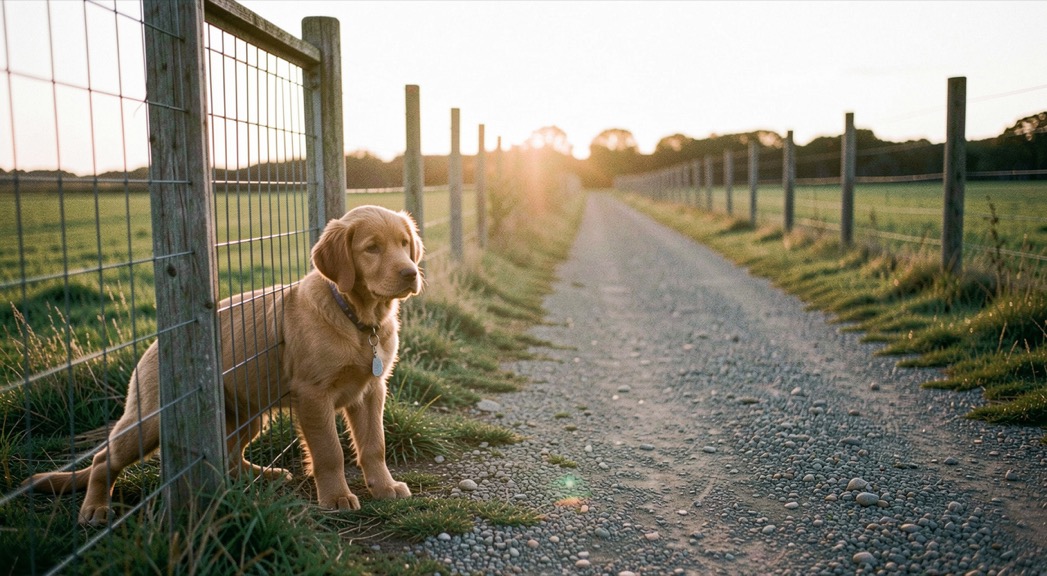
Most people arrive at this question with a decent hunting dog and four unfamiliar acronyms. The honest answer does not start with the programs. It starts with the dog in front of you: what it already marks, whether it delivers to hand, whether it will sit still while something interesting happens twenty yards away, and whether it has ever worked beside another dog without falling apart.
One structural fact removes most of the anxiety from the decision. The AKC hunting test regulations, read at the source on September 2, 2026, state that no title is required as a prerequisite for earning a higher one. There is no gate to pass, no order to respect and no penalty for choosing the level that suits the dog. Climbing in order is a training decision, and its only structural reward is the reduction in qualifying scores that a recorded lower title brings.
Start from the dog you have
Four questions settle the choice faster than any comparison of programs. Does the dog watch a bird fall and go to it on a line, rather than setting off and then hunting the general area? Does it come back all the way and put the bird in your hand? Will it swim to a fall and come back through the same water instead of taking the bank? And does gunfire at working distance register as ordinary noise rather than as an event?
If the answer to all four is yes, the dog is ready to be entered somewhere this season. If the answer to the delivery question is no, that is the one to fix first, whatever else you do, because delivery to hand is a requirement from the lowest AKC level upward and it fails more otherwise ready dogs than marking ever does. If the answer to the water question is no, the dog is not short of ability, it is short of a proper introduction, and that belongs in the first months rather than in an entry form.
The three realistic entry doors
Three programs offer an entry level a good hunting dog can walk through. The fourth, the field trial circuit, is not one of them: it places dogs against each other rather than against a standard, and its entry stake is not a beginner's event. That circuit is described in AKC field trials explained for readers who want to understand it before they aim at it.
What separates the three is philosophy rather than difficulty. One is an examination against a written standard, where every dog that meets the standard passes. One is built to look like a day of hunting, and counts accumulated points rather than passes. One ranks dogs by working ability rather than by age. The table below compares them on what is actually known, and says plainly where the reading has not been done.
| Door | What kind of event it is | What the entry level asks | What it takes to title | Reading |
|---|---|---|---|---|
| AKC hunting test, Junior | Scored against a written standard. Every dog meeting it passes. | At least four single marks, two on land and two on water, no more than two thrown in one series. No blinds. Steady, though the dog may come to the line on lead with a flat collar and be gently restrained. Delivery to hand required. | Four qualifying scores for Junior Hunter, at licensed or member club events. | Regulations amended July 2021, issued November 2025. Read September 2, 2026. |
| UKC HRC, entry level | Built to resemble a hunting situation, scored on accumulated points. | Not read at the source on September 2, 2026.Handlers describe the entry level as marks in a hunting setting, with camouflage and a blind used at the line. | Points accumulated across events rather than a fixed number of passes. No schedule is printed here. | HRC official rulebook. Located, not read at the source. |
| NAHRA, entry level | A ladder organized by working ability rather than by the age of the dog. | Not read at the source on September 2, 2026. | Titles earned on a points basis. No schedule is printed here. | NAHRA field test rules. Not read at the source. |
What each one asks on the day
Only one of those three rows can be described in detail today, and it happens to be the one most beginners choose. The AKC Junior level is built entirely on single marks: the dog watches one bird fall, goes to it, and brings it back to the hand. There are no blinds, nothing is hidden, and the dog is never asked to sit beside a working dog. The regulations set a minimum of four single marks, two on land and two on water, and cap any one series at two thrown marks.
The concession at the line is the part that surprises people, and it is worth reading carefully. A Junior dog must be steady, but it may be brought to the line on lead, wearing a flat collar, and gently restrained. That is an allowance for a young dog still learning to hold itself, not permission to physically hold a dog through the fall. A dog that has to be pinned is not ready, whatever the lead makes possible.
For the other two doors, the reading has not been done here, so this page describes the shape of the event and stops. What handlers say about them is worth listening to and is not a rulebook, which is why anything in that category sits in its own field in the table above, marked as practice. Every level in all four programs is laid side by side in the stakes and levels table, with the same reading dates.
What to train in the eight weeks before
Eight weeks is enough to prepare a good hunting dog for an entry level test, and it is not enough to build one from nothing. The work in that window is narrow on purpose: confirm what the dog already does, in the places and under the conditions it will meet on the day, and fix the one thing that will fail.
The eight weeks before a first entry
- Delivery to hand, every single retrieve, at home and away. No drops at the feet, no negotiations, no exceptions for excitement.
- Steadiness through a throw and a shot, with the lead present as a backstop and not as a brake.
- Singles at test distance on unfamiliar ground, so the dog is marking rather than remembering a field it knows.
- Water entries into water it has not swum before, with the return through the same water instead of around it.
- Sitting quietly near other dogs working, at a distance where the dog can succeed, then closer.
- Riding, waiting, and being crated near activity for as long as a running order will actually take.
- One full rehearsal of the day: travel, wait, walk to a line, run, walk back, wait again.
What deliberately does not belong in those eight weeks is new skills. A dog that has never run a blind will not learn one in two months in a way that survives a test, and it does not need to at the entry level. The two retrieves and the order in which the levels add them are set out in marks and blinds.
The paperwork side, in plain terms
The administrative part is smaller than it looks. The dog has to be recorded with the registry that governs the program you are entering, because a qualifying score is recorded against a registration rather than against a name. Events are announced and run by the organizations that hold them, and the entry itself is a form with the dog's registered details, the level, and the handler.
Two habits save trouble. Read the level requirements in the current edition of the rulebook rather than in a summary, because editions change and summaries lag. And keep your own record of qualifying scores as they happen, with dates, rather than reconstructing them later from memory when a title is close.
Common mistakes
- Choosing the program by prestige rather than by what the dog can do this season. The entry level exists to be entered.
- Believing the ladder is compulsory. The regulations state that no title is a prerequisite for a higher one, and a dog may be entered directly at the top level.
- Entering with delivery unfinished. It is required from the lowest level upward and it ends more good days than marking does.
- Training only on home ground. A dog that marks beautifully on a field it knows is partly remembering, and a test will find that out.
- Reading a point schedule from a summary page and planning a season around it. Schedules belong to rulebooks, and the ones for two of these programs have not been read here.
- Treating the Junior lead as permission to restrain a dog that is not steady. It is a backstop, and judges can tell the difference.
Readers who want the scored ladder in full before deciding will find it in hunt tests, level by level. Readers who want the vocabulary first should start with the glossary of the line, and anyone trying to work out which time of year to aim at will find the shape of the working year in how a trial year is built.